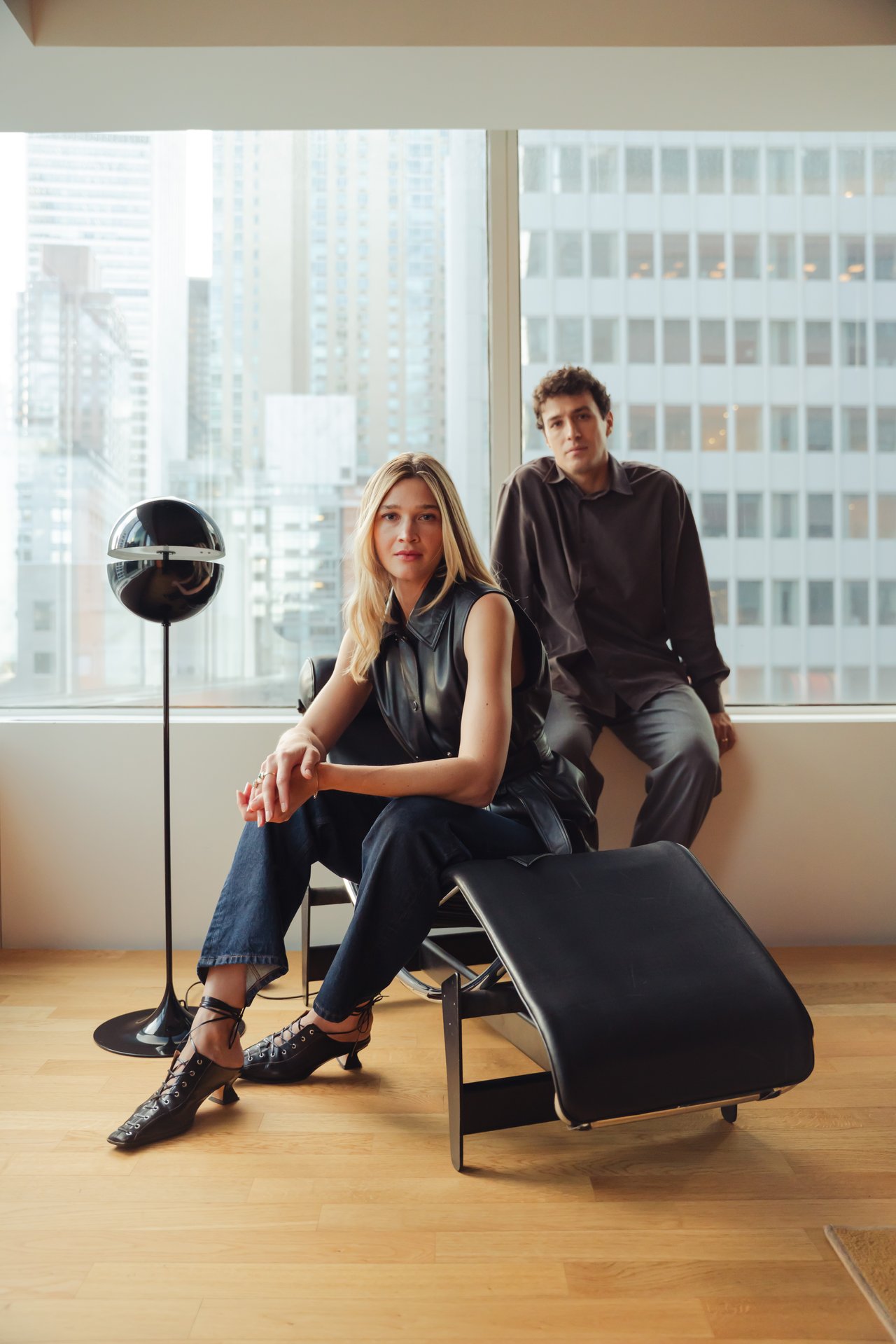
Over 18 months, NeueHaus and Tools for Humanity / World worked together to bring World to lifestyle audiences. Part of that collaboration was the support for the opening of World’s two flagship stores, one in Munich and one in London.
Proof of human, in practice
World ID offers the tools to keep the internet human. NeueHaus collaborated with Tools for Humanity / World to help expand their audience into the lifestyle space by enabling partnerships with brands like Highsnobiety and cultural multipliers in Germany and the UK.
Deliverables
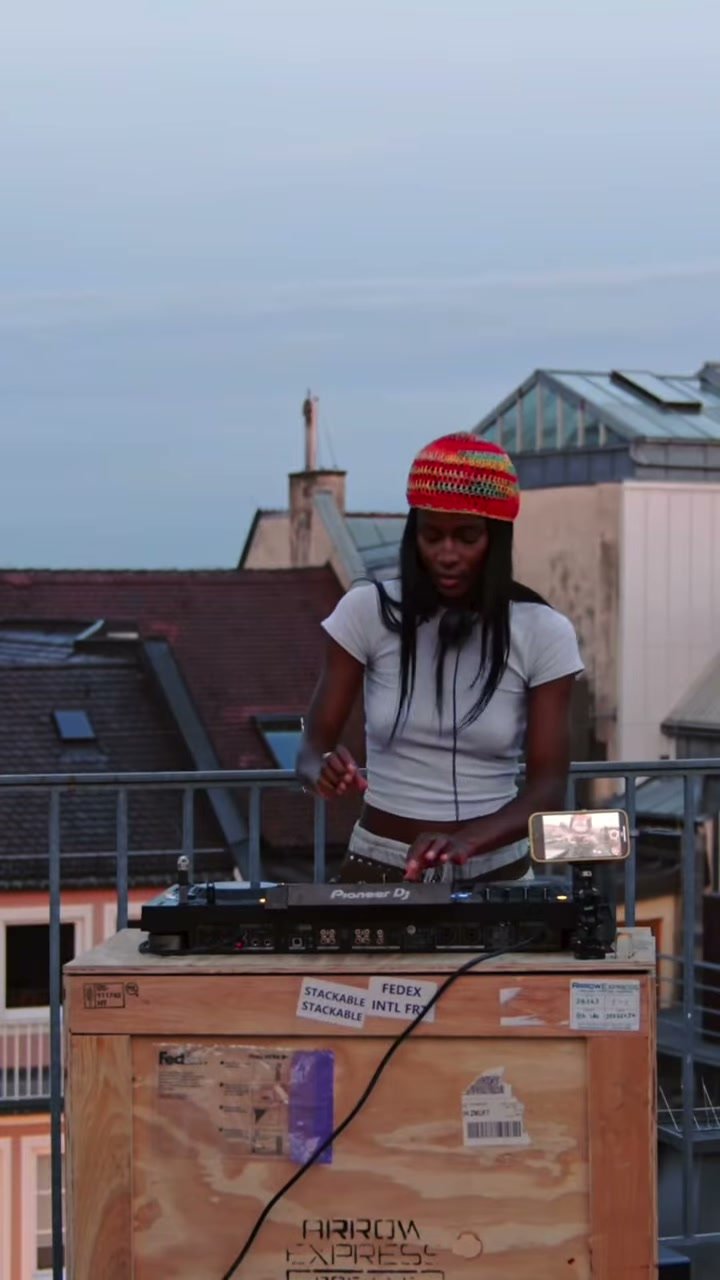
In the lead-up, we ran educational creator campaigns to make local communities familiar with the brand. Around the openings, we created a series of events together with local creators and community builders.
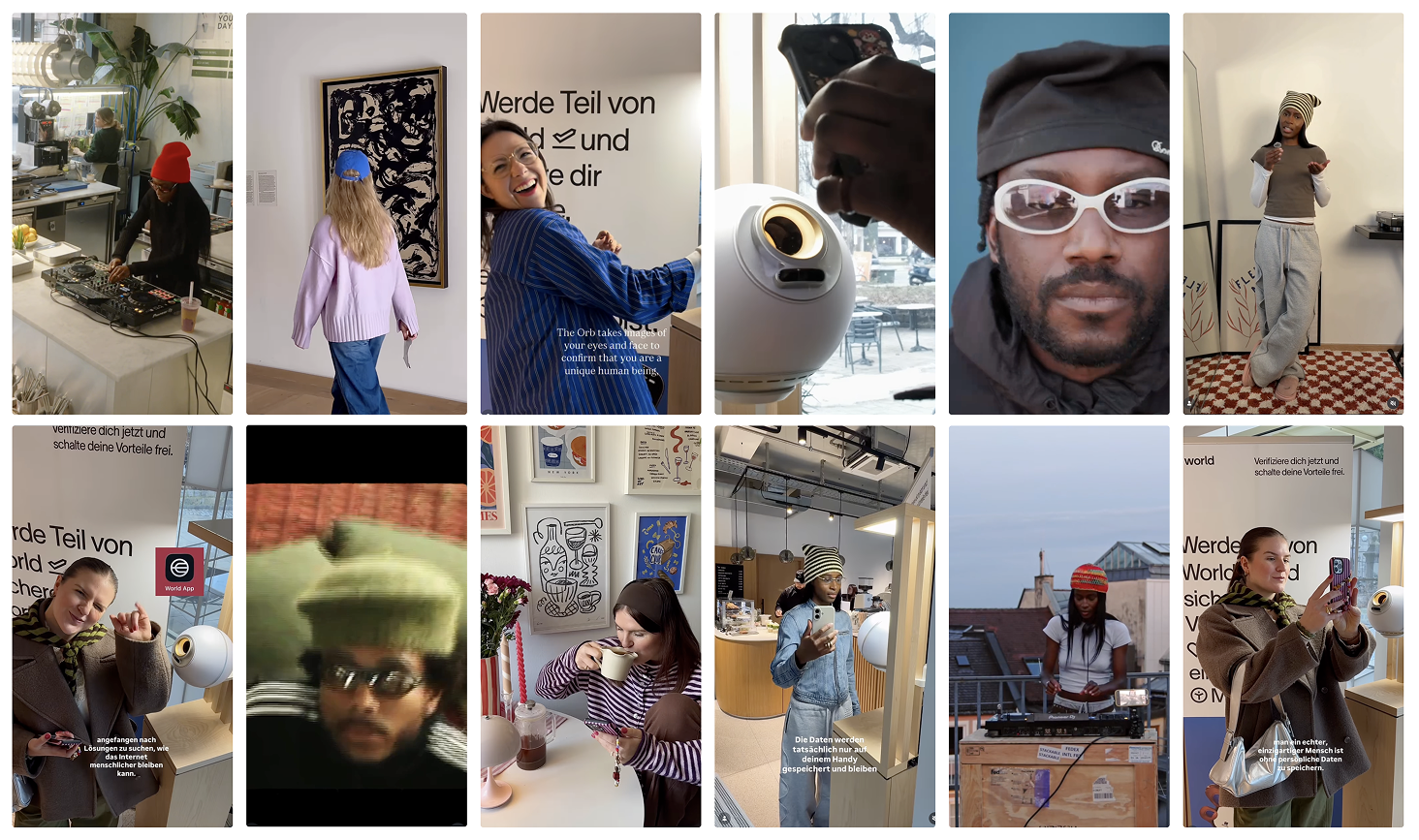
Every brand right now wants to be culturally relevant. The problem is you can’t create culture through a marketing brief.
Culture is lived, and it evolves through real people over time. It’s created by individuals making art, music and fashion, and by the quieter forces too: the niche communities forming around shared obsessions, the micro-scenes that grow organically long before anyone labels them or turns them into an “industry trend”.
When Tools for Humanity / World asked us to tell the story of how more than 50% of internet traffic now comes from bots, we went looking for voices to co-create with: the people whose work is directly affected by this shift, from a DJ who relies on their online community to a tattoo artist who is discovered by fans on Instagram.
The approach: We built a framework that allowed creators to interpret the product through their own routines, aesthetics, communities and lived context. The intention was to move away from instruction and towards authorship. This is where proof of human enters: not as a product feature, but as a cultural condition.
As a starting point, we gave creators one question, “What does proof of human mean in your field?”, and left almost everything else to their interpretation. One product understanding, one key action, one moment of experience. The rest was theirs.
That decision shaped everything that followed.
In creator selection, audience size was secondary to cultural proximity. The questions that actually matter: are they embedded in a scene? Do they have authority beyond content, as a founder, artist or builder? Does their audience trust their judgment, not just their aesthetics?
We screened more than 110 profiles and signed twelve creators, prioritizing one quality that consistently cuts through: a founder or artist mindset. Founders, artists, builders: people with lived authority over their subject.
How to brief for this: Define the why, not the how. Anchor with minimal non-negotiables. Then, and this is the part most brands skip, have a real conversation with each creator to find out whether the topic connects to their actual life. We turned down creators who didn’t have a genuine entry point into the subject.
In a world where over 50% of internet traffic comes from bots, proof of human is a condition the internet is moving toward. The verification of identity, authorship and intention is increasingly what makes presence legible online.
When a creator’s real experience intersects with what you’re trying to say, the campaign becomes testimony. And testimony travels differently. That’s the argument that matters most for working with people who are inside culture.
Get iconic, work with icons.